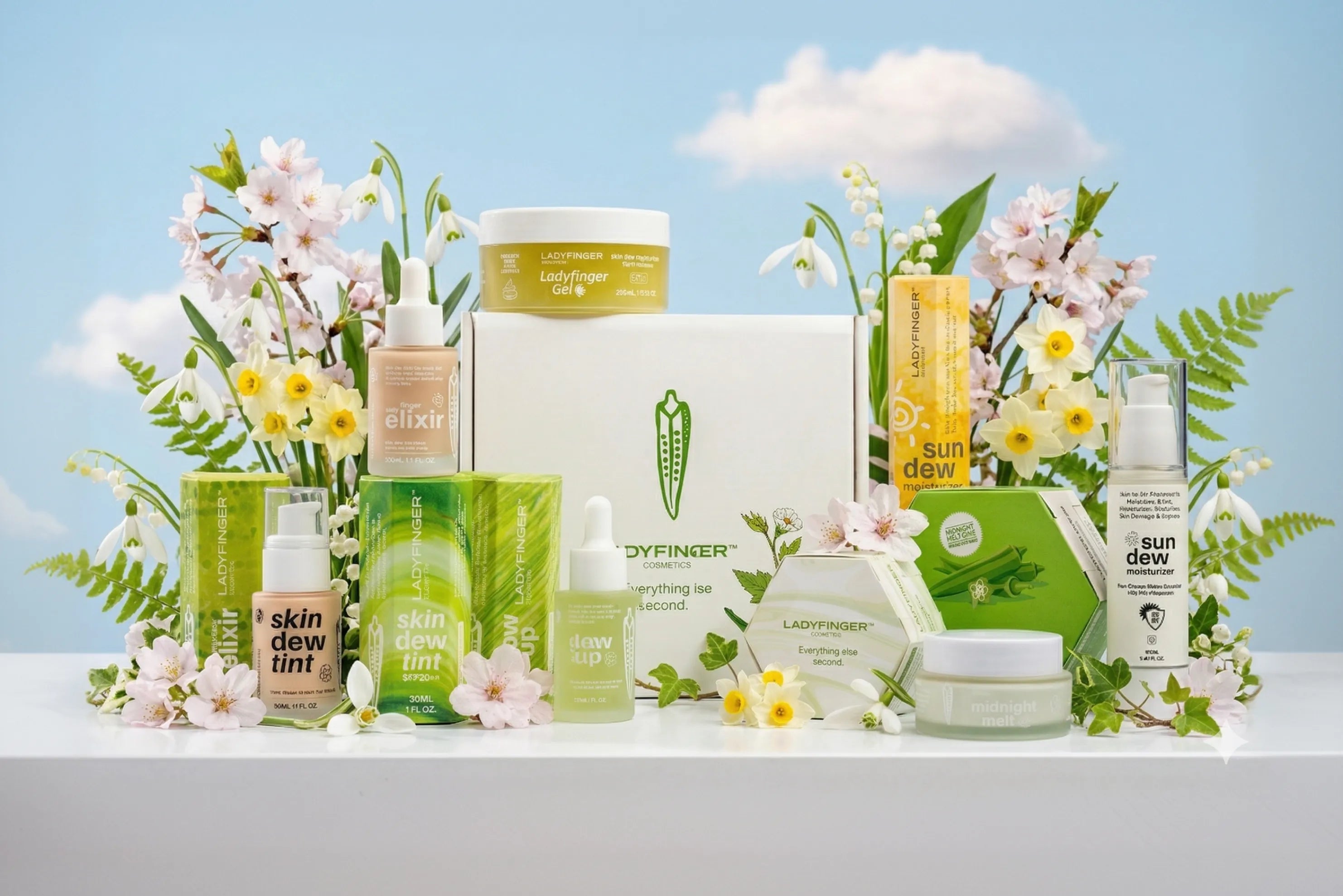
Blogs

SPF in Pakistan — 7 Myths That Are Damaging Your Skin
Sunscreen is the most important skincare product available in Pakistan — and also the most avoided. Every dermatologist recommends it. Almost nobody uses it consistently. The reason isn't laziness; it's misinformation. Here are the seven SPF myths that are actively causing skin damage across Pakistan, and the truth behind each one. Myth 1 — Brown Skin Doesn't Need Sunscreen This is the most damaging myth in Pakistani skincare. While it's true that higher melanin provides some natural UV protection, it does not provide enough protection against Pakistan's UV index of 10 to 11 — classified as extreme. Brown skin is actually more prone to hyperpigmentation from UV damage, not less. The melanin that gives skin its colour is the same melanin that overproduces in response to UV, causing dark spots and chhaiyan. SPF is non-negotiable regardless of skin tone. Myth 2 — You Only Need SPF When Going Outside UVA radiation — the type responsible for pigmentation, collagen breakdown, and premature aging — penetrates glass. Sitting near a window at home or in an office exposes skin to UVA rays all day. Car windows block some but not all UVA. If you spend significant time near windows, you need SPF indoors too. Myth 3 — Cloudy Days Don't Require Sunscreen Up to 80% of UV radiation penetrates cloud cover. Overcast days in Pakistan still expose unprotected skin to significant UV damage. The sky being grey is not an SPF substitute. Myth 4 — Applying Once in the Morning Is Enough SPF degrades with UV exposure, sweat, and physical touch. A morning application lasts approximately 2 to 3 hours of UV exposure before it needs reapplication. If you're indoors all day with minimal window exposure, one application may be sufficient. If you commute, spend any time outdoors, or sweat, you need to reapply every 2 to 3 hours. No exceptions during Pakistan's peak UV months of March through October. Myth 5 — Sunscreen Causes Acne and Breakouts Old, heavy mineral sunscreens did clog pores for some skin types. Modern chemical and hybrid sunscreens are non-comedogenic and specifically formulated for oily and acne-prone skin. Sun Dew Moisturizer SPF 50 is designed for Pakistani oily skin — it absorbs completely, doesn't clog pores, and leaves no white cast or greasy residue. If your current sunscreen causes breakouts, the answer is to switch formulas, not to stop wearing SPF. Myth 6 — SPF in Foundation or Tinted Moisturiser Is Sufficient SPF in makeup products is never applied in the quantity needed to achieve the stated protection. To get SPF 30 protection from a tinted foundation, you would need to apply approximately a teaspoon of it to your face — far more than anyone actually wears. Foundation SPF is supplementary at best. It is not a substitute for a dedicated sunscreen underneath. Myth 7 — Higher SPF Numbers Mean You Can Apply Less SPF 100 applied in a thin layer provides less protection than SPF 50 applied generously. The SPF number assumes a specific application quantity — 2mg per square centimetre of skin. Most people apply 20 to 50% of that amount, which reduces effective protection significantly regardless of the SPF number on the bottle. Apply a full teaspoon of sunscreen to your face. Use Sun Dew Moisturizer SPF 50 every single morning as the last step of your routine. Reapply if you're outdoors. This single habit will do more for your skin than any serum, treatment, or facial combined. Pair your SPF with Glow Up Brightening Serum applied underneath to target existing dark spots while the SPF prevents new ones from forming. Together, they address both sides of the hyperpigmentation problem that affects most Pakistani women. Shop the fix: Sun Dew Moisturizer
Learn more
5 Summer Skincare Mistakes Pakistani Women Make — And How to Fix Them
Pakistani summers are brutal on skin. Temperatures above 40°C, UV indices in the extreme range, humidity that soaks through your foundation before you've left the house — and yet most of the skincare mistakes women make in summer actually make things significantly worse. Here are the five most common ones, and exactly how to fix each. Mistake 1 — Skipping Moisturiser Because Skin Feels Oily This is the most widespread summer skincare mistake in Pakistan, and it actively damages your skin. When you skip moisturiser, your skin's barrier weakens — and a weakened barrier signals the sebaceous glands to produce more oil to compensate. The result: even more chip-chip oiliness than before, plus increased sensitivity, redness, and faster dark spot formation. The fix is to switch moisturiser type, not skip it entirely. In summer, use a water-based gel moisturiser instead of a cream. Ladyfinger Gel is specifically formulated for this — it floods skin with Hyaluronic Acid and Glycerin without a drop of added oil. Skin stays hydrated, barrier stays intact, and oiliness actually reduces over time as the dehydration-oil cycle breaks. Mistake 2 — Applying Too Much Sunscreen or None at All Both extremes are common in Pakistan. Some women apply such a thick layer of sunscreen that it pills under makeup and feels unbearable in the heat — so they stop using it. Others skip it entirely on overcast days or when staying home, not realising that UVA rays penetrate clouds and glass. The fix: find a sunscreen that works in Pakistan's heat. Sun Dew Moisturizer SPF 50 is a hybrid moisturiser-sunscreen formula — broad spectrum SPF 50, non-greasy, no white cast on brown skin, and comfortable enough to wear even on the hottest days. Apply one teaspoon for the face and reapply every 2 to 3 hours outdoors. No exceptions. Mistake 3 — Over-Cleansing to Combat Oiliness Washing your face three, four, or five times a day in summer feels logical — skin feels oily, so you wash it. But over-cleansing strips the natural oils that protect the skin barrier, triggering even more oil production and leaving skin simultaneously dehydrated and shiny. Twice daily cleansing is sufficient for most Pakistani skin types even in summer — morning and night. Use a gentle, pH-balanced cleanser. Blotting papers throughout the day address shine without disrupting the barrier the way repeated washing does. Mistake 4 — Stopping Active Ingredients Because of Sensitivity Many women stop using their brightening serums in summer because their skin feels more sensitive. This is often blamed on the serum when the actual cause is sun exposure without adequate SPF — which makes skin sensitised and causes active ingredients to feel irritating. The fix: keep using your actives, but always follow with SPF. Glow Up Brightening Serum works year-round — in summer it's even more important because UV exposure is continuously creating new dark spots. The serum fades them; the SPF prevents new ones. Remove the SPF from the equation and your skin will be more sensitive and more pigmented by September. Mistake 5 — Switching to Heavy Night Creams in Summer Night creams formulated for dry or cold climates often contain heavy occlusives that suffocate skin in Pakistani summer humidity. Skin can't breathe, pores get congested, and breakouts increase. In summer, your night routine should be lighter than your winter one. Cleanse thoroughly, apply a brightening serum, then use a lighter hydrating layer. Midnight Melt Night Cream is formulated to be effective without being heavy — it delivers Alpha Arbutin for dark spot fading and barrier ceramides for repair in a texture that works through Pakistan's humid nights without congesting pores. Fix these five mistakes and your skin will handle Pakistani summer significantly better. The core summer routine is simple: gentle cleanser, Ladyfinger Gel, Sun Dew SPF 50 every morning. Glow Up Serum and Midnight Melt at night. Consistent, simple, and built for Pakistan. Shop the fix: Sun Dew Moisturizer
Learn more
Hyaluronic Acid for Pakistani Skin — Everything You Need to Know
Hyaluronic acid is one of the most misunderstood ingredients in Pakistani skincare. Women with oily skin skip it thinking they don't need hydration. Women with dry skin use it incorrectly and find their skin feeling drier. And almost everyone underestimates how central it is to achieving the glass skin, plump complexion they're actually chasing. Here's everything you need to know about hyaluronic acid for Pakistani skin — including the mistake most people make that causes it to backfire. What Hyaluronic Acid Actually Does Hyaluronic acid (HA) is a naturally occurring sugar molecule in your skin that can hold up to 1,000 times its own weight in water. It's responsible for that plump, bouncy, well-hydrated quality that young skin has — and that depletes steadily with age and UV exposure. Applied topically, HA draws moisture from the environment and from deeper skin layers into the outer skin barrier, immediately plumping the appearance of fine lines and giving skin the dewy, light-reflecting quality associated with glass skin. It does this purely through hydration — no oils, no occlusives, just water. Why Pakistani Skin Specifically Needs It Pakistani skin is frequently in a state of dehydration-despite-looking-oily — a paradox that confuses most people. Here's what happens: barrier damage from hard water, harsh cleansers, and steroid-based fairness creams strips the skin's ability to retain water. Dehydrated skin sends signals to the sebaceous glands to produce more oil to compensate. The result is skin that looks oily and shiny but is actually dry underneath. Hyaluronic acid breaks this cycle by supplying water directly — reducing the skin's need to produce compensatory oil. For oily skin in Pakistani summers, it's the ideal moisturising ingredient because it provides maximum hydration with zero added grease. The Common Mistake That Makes HA Backfire Hyaluronic acid draws moisture from its environment. In a humid environment, this works brilliantly. In a dry environment — like an air-conditioned room, or during Pakistani winters — HA can draw moisture from deeper skin layers if there isn't enough ambient humidity, leaving skin feeling tighter than before. The fix is simple: apply HA to slightly damp skin (not soaking wet, just damp after cleansing) and immediately follow with a moisturiser or gel to seal the hydration in before it can evaporate. This two-step application ensures HA works as intended in any environment. How to Use Hyaluronic Acid in Your Pakistani Routine Ladyfinger Gel delivers HA in a water-based gel formula specifically designed for Pakistani skin — it absorbs completely without residue and works for all skin types including oily. Apply to damp skin after cleansing, morning and night, before any heavier products. For an anti-aging boost, pair HA with peptides. Ladyfinger Elixir Serum combines Hyaluronic Acid with signal peptides that stimulate collagen production — delivering both immediate plumping (from HA) and long-term firming (from peptides) in one step. Who Should Use Hyaluronic Acid Everyone. Oily skin needs it — to stop the dehydration-oil cycle. Dry skin needs it — to restore water content before adding richer moisturisers. Sensitive skin tolerates it better than almost any other active — it's one of the most gentle, well-researched ingredients in skincare. Mature skin needs it — HA production in the skin decreases significantly with age. If you're only going to add one new ingredient to your Pakistani skincare routine this year, make it Hyaluronic Acid. Start with Ladyfinger Gel — you'll notice the difference in your skin texture within the first week. Shop the fix: Ladyfinger Gel
Learn more
How to Fade Dark Spots in Pakistan — The Complete Guide
Dark spots are the most common skin concern in Pakistan — and also the most misunderstood. Most women spend years trying products that either don't work, cause rebound darkening, or contain ingredients that are actively harmful. This guide covers what actually fades dark spots on Pakistani skin, how long it takes, and what to avoid. Why Pakistani Skin Gets More Dark Spots Than Other Skin Types Pakistani skin has higher baseline melanin production than lighter skin tones — which is protective against some forms of UV damage, but also means the skin responds more aggressively to any kind of injury or inflammation. A pimple, a rash, an insect bite, friction from a strap — all of these trigger post-inflammatory hyperpigmentation (PIH) that can last months or years if untreated. Combined with Pakistan's extreme UV index (which triggers melanin production continuously), most Pakistani women are dealing with layered hyperpigmentation: new spots forming faster than old ones fade. The Two Things That Must Happen Simultaneously Fading existing dark spots and preventing new ones are two separate problems that require two separate solutions — applied at the same time. Using a brightening serum without SPF is like trying to empty a bathtub with the tap running. The serum fades existing spots; the SPF stops new ones from forming. Both are essential. Step 1 — Vitamin C Every Morning Vitamin C is the most researched topical brightening ingredient available. It inhibits tyrosinase — the enzyme responsible for melanin production — and simultaneously neutralises the UV-induced free radical damage that triggers hyperpigmentation in the first place. For Pakistani skin, it's the single most important active ingredient for dark spots. Glow Up Brightening Serum contains a stabilised, high-potency Vitamin C formula designed specifically for South Asian skin tones. Apply 3 to 4 drops to clean, damp skin every morning. It also contains Niacinamide to block melanin transfer and reduce the appearance of pores — the two concerns most Pakistani women deal with together. Step 2 — SPF Immediately After Apply SPF 50 every morning, without exception. In Pakistan, UV exposure is the primary driver of new dark spot formation. Even on cloudy days, up to 80% of UV radiation reaches the skin. Even indoors near windows, UVA rays penetrate glass and trigger pigmentation. Sun Dew Moisturizer SPF 50 is a broad-spectrum, non-greasy formula with no white cast — critical for Pakistani skin tones where zinc oxide-heavy mineral SPFs leave a grey tint. Reapply every 2 to 3 hours if outdoors. Step 3 — Alpha Arbutin at Night While Vitamin C works during the day, Alpha Arbutin works overnight. It targets a different stage of the melanin production process — blocking the transfer of melanin from the cells that produce it to the skin cells you can see. The result is a gradual, safe lightening effect without the rebound darkening risk of harsher bleaching agents like hydroquinone. Midnight Melt Night Cream contains Alpha Arbutin alongside barrier-repair ceramides — because a compromised barrier makes dark spots worse. Apply as your last night skincare step after serums. What to Avoid Avoid mercury-based fairness creams — still widely sold in Pakistan despite being illegal, they cause severe long-term skin damage. Avoid steroid creams for brightening — they cause rebound darkening worse than the original spots. Avoid harsh scrubs on active hyperpigmentation — physical exfoliation causes inflammation which deepens spots on Pakistani skin. Realistic Timeline With consistent use of Vitamin C in the morning and Alpha Arbutin at night, plus daily SPF, visible improvement in dark spots takes 8 to 12 weeks. This isn't a flaw — it's how skin biology works. Melanin sits in deep skin layers and takes time to surface and shed. Be consistent, protect from the sun, and the results are permanent rather than temporary. Start with Glow Up Brightening Serum and Sun Dew SPF 50 — the two non-negotiables for fading dark spots in Pakistan. Add Midnight Melt for accelerated overnight results. Shop the fix: Glow Up
Learn more
Beginner Skincare Routine for Pakistani Skin — Start Here in 2026
Starting a skincare routine in Pakistan is genuinely confusing. Every brand, influencer, and dermatologist recommends something different — and most of the advice isn't designed for Pakistani skin, Pakistani climate, or Pakistani water quality. So let's cut through it. This is the only beginner skincare routine you need. Three products, two minutes morning and night, and real visible results within 30 days. No 10-step Korean routines. No expensive imports. Just what actually works for skin that deals with 45°C summers, hard water, and UV levels that rank among the highest in the world. Why Most Skincare Advice Doesn't Work for Pakistani Skin The majority of skincare content is created for Western audiences with temperate climates, soft water, and moderate UV exposure. Pakistan has none of these. Our UV index hits extreme levels (10 to 11) for most of the year. Our water is hard, which deposits minerals on the skin and disrupts the barrier. Our humidity swings dramatically between seasons. Skin concerns here — chhaiyan (melasma), chip-chip oiliness, post-acne hyperpigmentation — require specific solutions, not generic advice. The 3-Product Beginner Routine You need exactly three products to start: a cleanser, a moisturiser, and an SPF. Everything else comes later once you understand how your skin responds. Step 1 — Cleanser (Morning and Night) Use a gentle, non-stripping cleanser — not a harsh foaming soap. Pakistani hard water already stresses the skin barrier; a harsh cleanser makes it worse. Look for cleansers with a pH of 4.5 to 6.5. Your skin should feel clean but comfortable after washing — never tight or squeaky. At night, if you wear sunscreen or makeup, always double cleanse: oil cleanser first to dissolve product, then your regular cleanser. Step 2 — Moisturiser (Morning and Night) Every skin type needs moisture — including oily skin. In fact, oily skin is frequently dehydrated underneath, which causes the skin to overproduce oil to compensate. A lightweight water-based moisturiser stops this cycle. Ladyfinger Gel is designed specifically for this. It's water-based, non-comedogenic, and contains Hyaluronic Acid to flood skin with hydration without adding any greasiness. Perfect for Pakistan's oily skin majority — absorbs completely and leaves skin plump, not shiny. Apply morning and night after cleansing. Step 3 — SPF Every Single Morning (This Is Non-Negotiable) If you do nothing else from this article, wear sunscreen every morning. Pakistan's UV levels mean that unprotected skin is accumulating pigmentation damage, collagen breakdown, and aging every single day. No brightening serum, no treatment, no facial can undo what daily UV exposure causes — but SPF prevents it entirely. Sun Dew Moisturizer SPF 50 is formulated for Pakistani skin — broad spectrum UVA and UVB protection, no white cast on brown skin, non-greasy formula that works in humidity. Apply it as the last step every morning. Reapply every 2 to 3 hours if you're outdoors. When to Add More Products Use only these three products for 4 weeks. This gives your skin time to stabilise and lets you see your true baseline. After 4 weeks, if your main concern is dark spots or chhaiyan, add a brightening serum. If you're dealing with fine lines or dullness, add an antioxidant serum. Glow Up Brightening Serum is the ideal first active to add — Vitamin C and Niacinamide target the hyperpigmentation and uneven tone that most Pakistani women deal with as their first skin concern. Apply it after cleansing, before your gel moisturiser, in the morning. The Routine at a Glance Morning: Cleanser → Ladyfinger Gel → Sun Dew SPF 50. Night: Cleanser → Ladyfinger Gel. That's it. Simple, consistent, and built for Pakistan. The most common skincare mistake in Pakistan is buying too many products at once and never giving any of them time to work. Pick these three. Use them every day for a month. Your skin will thank you. Shop the fix: The Full-Day Routine
Learn more
Night Skincare Routine for Pakistani Skin — What to Apply and Why
Your skin does its best repair work while you sleep — but only if you give it the right support. In Pakistan, where daytime UV exposure, pollution, and heat put constant stress on the skin barrier, a proper night skincare routine isn't a luxury. It's essential recovery. The good news: a night routine doesn't need to be complicated. Three to four targeted steps, applied consistently, will transform your skin over 4 to 6 weeks. Here's exactly what to use, in what order, and why it works for Pakistani skin specifically. Why Night Skincare Is Different From Morning Skincare During the day, your skincare routine is defensive — protecting skin from UV, pollution, and humidity. At night, the job shifts to repair. Your skin's cell turnover rate increases by up to 3x while you sleep. Blood flow to the skin increases. Active ingredients that would cause photosensitivity during the day can be used safely at night. This means your night routine is actually more powerful than your morning routine for treating dark spots, fading chhaiyan, repairing barrier damage, and reversing signs of aging. The ingredients you apply before bed have 6 to 8 uninterrupted hours to work — with no sun exposure, no sweat, and no makeup layered on top. Step 1 — Double Cleanse to Remove Everything Pakistani skin accumulates a significant pollution load during the day — vehicle emissions, dust, and sunscreen residue all sit on the surface. A single cleanser rarely removes all of this effectively. Start with a cleansing oil or micellar water to dissolve sunscreen and makeup. Follow with a gentle water-based cleanser to remove what's left. Your skin should feel clean but not tight — if it feels stripped, your second cleanser is too harsh. Avoid foaming cleansers with sulphates at night. They remove natural oils your skin needs for overnight repair. Step 2 — Active Treatment (The Most Important Step) This is where you target your specific skin concern. Apply your active serum to clean, slightly damp skin — damp skin absorbs active ingredients more effectively than completely dry skin. For dark spots and chhaiyan, the most effective night active for Pakistani skin is a combination of Vitamin C derivatives and Alpha Arbutin. Glow Up Brightening Serum contains a stabilised form of Vitamin C that works overnight to inhibit melanin production at the source — fading existing dark spots while preventing new ones from forming. Apply 3 to 4 drops and press gently into the skin. Don't rub. Wait 60 seconds before the next step. Step 3 — Barrier Repair and Hydration Pakistani skin is frequently dehydrated despite appearing oily — a paradox caused by barrier damage from hard water, harsh cleansers, and humidity fluctuations. At night, your barrier needs to be replenished with both water-binding humectants and skin-identical lipids. Ladyfinger Gel works exceptionally well as a hydration layer here — its water-based formula floods skin with Hyaluronic Acid and Glycerin without adding oil, making it ideal for oily and combination skin types even in a night routine. Apply a thin layer over your active serum. If your skin is dry or mature, follow with a richer moisturiser to seal everything in. Step 4 — Night Cream for Deep Overnight Repair A dedicated night cream does something a regular moisturiser cannot — it contains higher concentrations of repair-focused ingredients designed to work during the skin's natural recovery window. Midnight Melt Night Cream is formulated specifically for Pakistani skin's overnight needs. It contains Alpha Arbutin to fade chhaiyan and post-acne marks, barrier-repair ceramides to seal in everything you've applied underneath, and brightening actives that work synergistically with Glow Up Serum to accelerate dark spot fading. Apply as the final step — a small amount warmed between fingertips, pressed gently into the face and neck. You'll wake up with noticeably softer, more even skin within the first week of consistent use. What Not to Do at Night Sleep with your phone on the pillow — screen light disrupts the melatonin that signals skin repair. Sleep on a cotton pillowcase that absorbs your skincare products before they can work. Apply active ingredients in the wrong order — always go thinnest to thickest. Use physical exfoliants at night when skin is already sensitised from daytime exposure. The Pakistani Night Routine — Simple Version If you want the simplest effective night routine for Pakistani skin: cleanse, apply Glow Up Serum for brightening, and finish with Midnight Melt Night Cream for repair. Three steps, 5 minutes, and your skin is working all night while you sleep. Start tonight. Skin transformation in Pakistan takes consistency, not complexity. Shop the fix: Midnight Melt
Learn more
Melasma and Chhaiyan in Pakistan — Causes, Treatment, and What Actually Works
Chhaiyan (melasma) is one of Pakistan’s most common and most misunderstood skin concerns. This guide covers why it’s so prevalent, why fairness creams make it worse, and what a genuinely effective treatment routine looks like.
Learn more
Skin Barrier 101 — Why It’s the Most Important Part of Your Skincare Routine in Pakistan
Your skin barrier is the foundation of everything — and Pakistan’s climate destroys it daily. This guide explains what the barrier is, how it gets damaged, the signs it’s compromised, and the exact protocol to repair it.
Learn more
Melasma and Chhaiyan in Pakistan — Causes, Treatment, and What Actually Fades It
Chhaiyan and melasma are among the most stubborn skin concerns for Pakistani women. This guide explains what causes them, why most treatments fail, and the exact routine — Vitamin C, Alpha Arbutin, and SPF — that actually delivers results.
Learn more