Hyaluronic acid is one of the most misunderstood ingredients in Pakistani skincare. Women with oily skin skip it thinking they don't need hydration. Women with dry skin use it incorrectly and find their skin feeling drier. And almost everyone underestimates how central it is to achieving the glass skin, plump complexion they're actually chasing.
Here's everything you need to know about hyaluronic acid for Pakistani skin — including the mistake most people make that causes it to backfire.
What Hyaluronic Acid Actually Does
Hyaluronic acid (HA) is a naturally occurring sugar molecule in your skin that can hold up to 1,000 times its own weight in water. It's responsible for that plump, bouncy, well-hydrated quality that young skin has — and that depletes steadily with age and UV exposure.
Applied topically, HA draws moisture from the environment and from deeper skin layers into the outer skin barrier, immediately plumping the appearance of fine lines and giving skin the dewy, light-reflecting quality associated with glass skin. It does this purely through hydration — no oils, no occlusives, just water.
Why Pakistani Skin Specifically Needs It
Pakistani skin is frequently in a state of dehydration-despite-looking-oily — a paradox that confuses most people. Here's what happens: barrier damage from hard water, harsh cleansers, and steroid-based fairness creams strips the skin's ability to retain water. Dehydrated skin sends signals to the sebaceous glands to produce more oil to compensate. The result is skin that looks oily and shiny but is actually dry underneath.
Hyaluronic acid breaks this cycle by supplying water directly — reducing the skin's need to produce compensatory oil. For oily skin in Pakistani summers, it's the ideal moisturising ingredient because it provides maximum hydration with zero added grease.
The Common Mistake That Makes HA Backfire
Hyaluronic acid draws moisture from its environment. In a humid environment, this works brilliantly. In a dry environment — like an air-conditioned room, or during Pakistani winters — HA can draw moisture from deeper skin layers if there isn't enough ambient humidity, leaving skin feeling tighter than before.
The fix is simple: apply HA to slightly damp skin (not soaking wet, just damp after cleansing) and immediately follow with a moisturiser or gel to seal the hydration in before it can evaporate. This two-step application ensures HA works as intended in any environment.
How to Use Hyaluronic Acid in Your Pakistani Routine
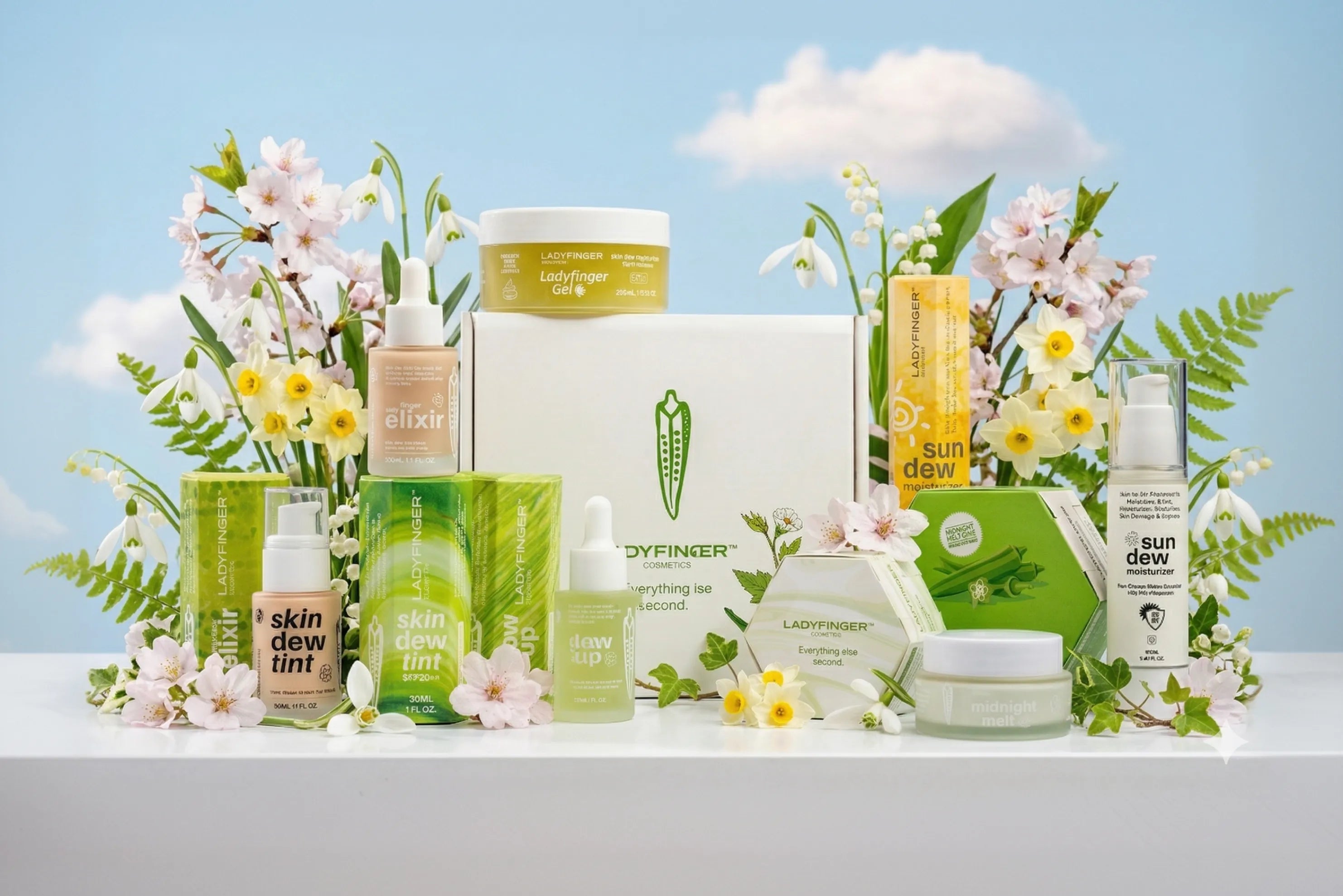
Ladyfinger Gel delivers HA in a water-based gel formula specifically designed for Pakistani skin — it absorbs completely without residue and works for all skin types including oily. Apply to damp skin after cleansing, morning and night, before any heavier products.
For an anti-aging boost, pair HA with peptides. Ladyfinger Elixir Serum combines Hyaluronic Acid with signal peptides that stimulate collagen production — delivering both immediate plumping (from HA) and long-term firming (from peptides) in one step.
Who Should Use Hyaluronic Acid
Everyone. Oily skin needs it — to stop the dehydration-oil cycle. Dry skin needs it — to restore water content before adding richer moisturisers. Sensitive skin tolerates it better than almost any other active — it's one of the most gentle, well-researched ingredients in skincare. Mature skin needs it — HA production in the skin decreases significantly with age.
If you're only going to add one new ingredient to your Pakistani skincare routine this year, make it Hyaluronic Acid. Start with Ladyfinger Gel — you'll notice the difference in your skin texture within the first week.
Shop the fix: Ladyfinger Gel