Chhaiyan — the greyish-brown patches that appear on cheeks, forehead, and upper lip — is one of the most emotionally difficult skin concerns for Pakistani women. It’s stubborn, it doesn’t respond to ordinary fairness creams, and it gets worse with sun exposure. Understanding what it actually is, what causes it in Pakistan, and what treatments genuinely work changes everything.
What is melasma (chhaiyan)?
Melasma is a chronic pigmentation disorder characterised by brown or grey patches, most commonly on the face. It’s caused by an overactivation of melanocytes — the cells that produce skin pigment — in response to specific triggers. Unlike post-acne marks that fade predictably over time, melasma is driven by ongoing hormonal and UV triggers, which is why it can feel impossible to treat without understanding the cause.
Why melasma is so common in Pakistan
Pakistan has a near-perfect combination of melasma triggers:
UV exposure — The most potent melasma trigger. Pakistan’s extreme UV index year-round means constant stimulation of the melanocytes responsible for chhaiyan. Even a few minutes of daily unprotected sun exposure is enough to maintain or worsen melasma.
Hormonal changes — Melasma is strongly linked to oestrogen and progesterone, which is why it’s so common during and after pregnancy, and with hormonal contraceptive use. In Pakistan, where multiple pregnancies are common and awareness of hormonal skincare is limited, this hormonal trigger frequently goes unaddressed.
Heat — Heat independently stimulates melanocyte activity, separate from UV. Pakistan’s summer temperatures above 40 degrees are a melasma trigger even in the shade.
Steroid cream use — One of the most tragic patterns in Pakistani skincare: women use steroid-based fairness creams to try to treat chhaiyan, which temporarily lightens the skin but ultimately makes the melasma worse and harder to treat when the steroids are stopped.
What doesn’t work for melasma
Ordinary fairness creams — Most contain mercury or steroids which cause rebound darkening and don’t address the hormonal or UV triggers driving melasma.
Aggressive peels without SPF — Chemical peels can help melasma but will cause a severe rebound if post-peel UV protection isn’t absolutely consistent. Many women in Pakistan experience their worst chhaiyan episodes after peels done without proper sun protection protocols.
One-off treatments — Melasma is a chronic condition. It requires ongoing management, not a single treatment.
What actually works
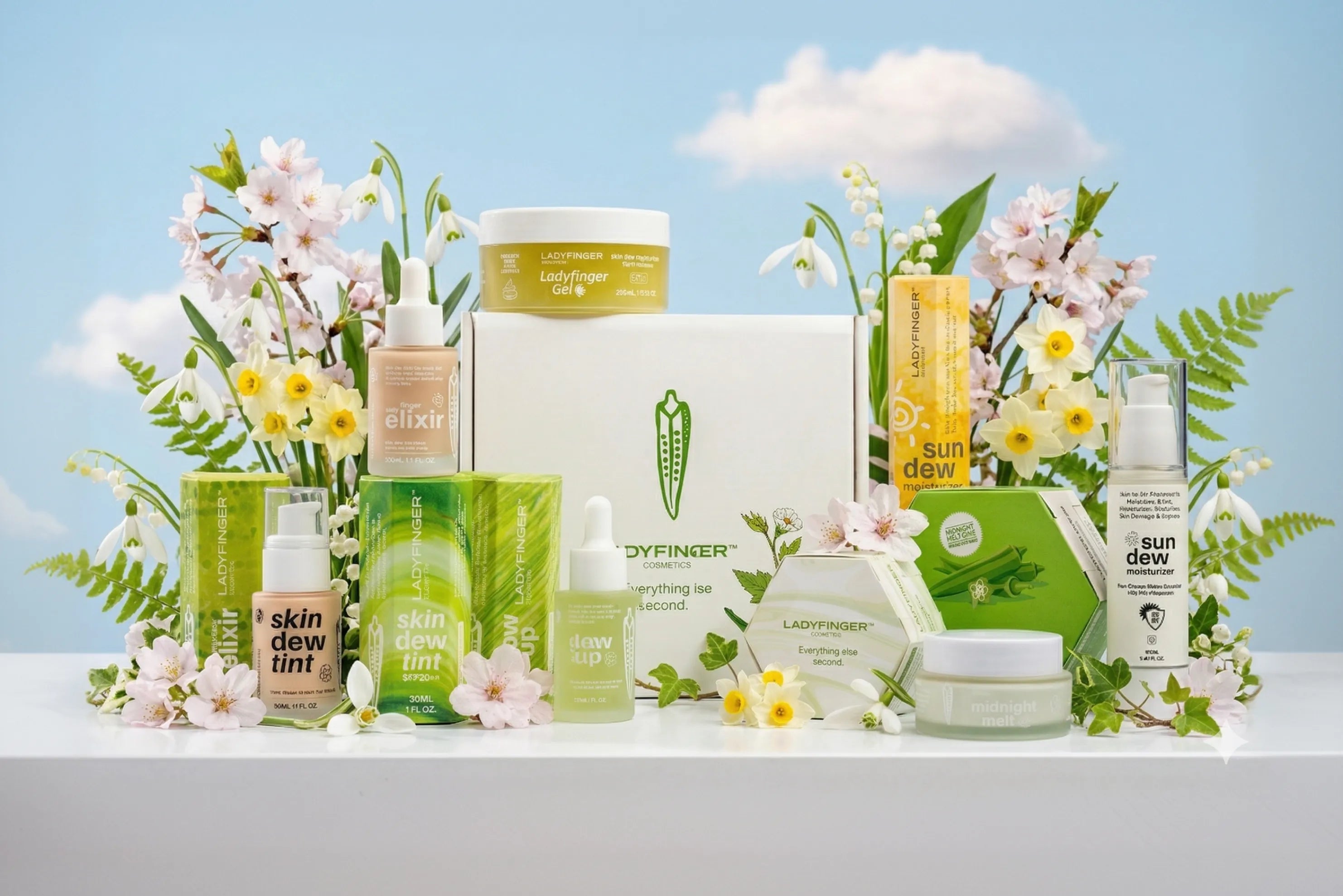
Consistent SPF 50, every single day, rain or shine — This is non-negotiable and more important than any brightening serum or treatment. Without SPF, nothing else you do will hold. Sun Dew Moisturizer SPF 50 is broad spectrum, lightweight, and formulated for daily consistent use without greasiness.
Vitamin C serum in the morning — Antioxidant protection that inhibits melanin synthesis and amplifies SPF protection. Glow Up Brightening Serum provides daily Vitamin C in a stable formula that works in Pakistan’s heat.
Alpha Arbutin at night — One of the safest and most effective melanin-inhibiting ingredients for chronic conditions like melasma. Midnight Melt Night Cream uses Alpha Arbutin as its core brightening active — safe for long-term daily use without the risks of hydroquinone.
Heat avoidance — Use cooling mists, avoid prolonged heat exposure, and never use steam on melasma-prone skin. Even without UV, heat will stimulate melanocytes.
Patience and consistency — Melasma responds slowly. A well-constructed routine (SPF + Vitamin C morning, Alpha Arbutin night) needs 3–6 months of consistent use to show meaningful results. This isn’t a failure of the products — it’s the nature of the condition.
The melasma management routine
Morning: Gentle cleanse → Glow Up Vitamin C Serum → Ladyfinger Gel → Sun Dew SPF 50 (reapply every 2 hours outdoors)
Night: Gentle cleanse → Ladyfinger Gel → Midnight Melt
If you’re coming off steroid creams, be prepared for a temporary worsening of pigmentation as your skin adjusts. This is normal and will improve with consistent safe treatment over time.
When to see a dermatologist
Severe or deep melasma may benefit from prescription treatments like azelaic acid, tranexamic acid oral supplementation, or professional peels managed by a qualified dermatologist. The at-home routine above is a foundation and maintenance protocol — for aggressive melasma, professional consultation is worth it.
Shop the fix: Midnight Melt