The skin barrier is the most important concept in modern skincare — and the most misunderstood. Almost every skin problem you’re dealing with right now, whether it’s oiliness, breakouts, sensitivity, pigmentation, or premature aging, can be traced back to a compromised skin barrier. Understanding what it is and why it breaks down in Pakistan’s specific conditions is the foundation of actually fixing your skin.
What the skin barrier actually is
Your skin barrier — technically called the stratum corneum — is the outermost layer of your skin. Think of it as a brick wall: skin cells are the bricks, and a mixture of lipids (ceramides, fatty acids, cholesterol) are the mortar holding them together. When this structure is intact, it does two critical things: it keeps moisture inside your skin, and it keeps environmental irritants, bacteria, and UV damage out.
When the barrier is damaged — whether by harsh products, UV exposure, pollution, or poor skincare habits — the wall develops gaps. Moisture escapes. Irritants get in. Your skin becomes simultaneously dehydrated and reactive, and no amount of expensive serum applied on top of a broken barrier will work properly.
Why skin barriers break down faster in Pakistan
UV radiation — Pakistan’s extreme UV index degrades the lipids in your skin barrier. Every day of unprotected sun exposure is literally dissolving the mortar between your skin cells. This is why consistent SPF isn’t just an anti-aging step — it’s barrier preservation.
Pollution — Karachi, Lahore, and Islamabad regularly record dangerous air quality levels. Particulate matter and pollutants break down the barrier’s lipid layer and generate the free radicals that accelerate barrier damage.
Hard water — The water in most Pakistani cities is alkaline and mineral-heavy. Washing your face with hard water disrupts your skin’s natural pH (which is slightly acidic) and strips the barrier lipids that hold it together. This is why so many people in Pakistan have skin that feels tight after washing — classic sign of barrier disruption.
Harsh skincare products — Foaming cleansers with sulfates, toners with alcohol, over-exfoliation with acids or scrubs, and steroid-laced whitening creams all physically strip the barrier. Pakistan’s skincare market is saturated with these.
Heat and humidity — Extreme heat accelerates transepidermal water loss (TEWL) — the rate at which moisture evaporates from your skin. High humidity sounds like it should help, but sweating and sebum mix on the skin’s surface and disrupt the barrier’s acid mantle.
Signs your skin barrier is damaged
- Skin feels tight after cleansing
- Excessive oiliness — your skin is compensating for lost moisture with sebum
- Redness, stinging, or sensitivity to products that didn’t bother you before
- Persistent breakouts that don’t respond to spot treatments
- Dullness and uneven texture that doesn’t improve with exfoliation
- Dark spots that won’t fade despite using brightening products
How to repair your skin barrier
Barrier repair requires two things: stopping the damage and providing the right ingredients to rebuild.
Stop stripping it: Switch to a gentle, non-foaming cleanser. Stop over-exfoliating. Drop the alcohol toners. If you’re using steroid creams, stop.
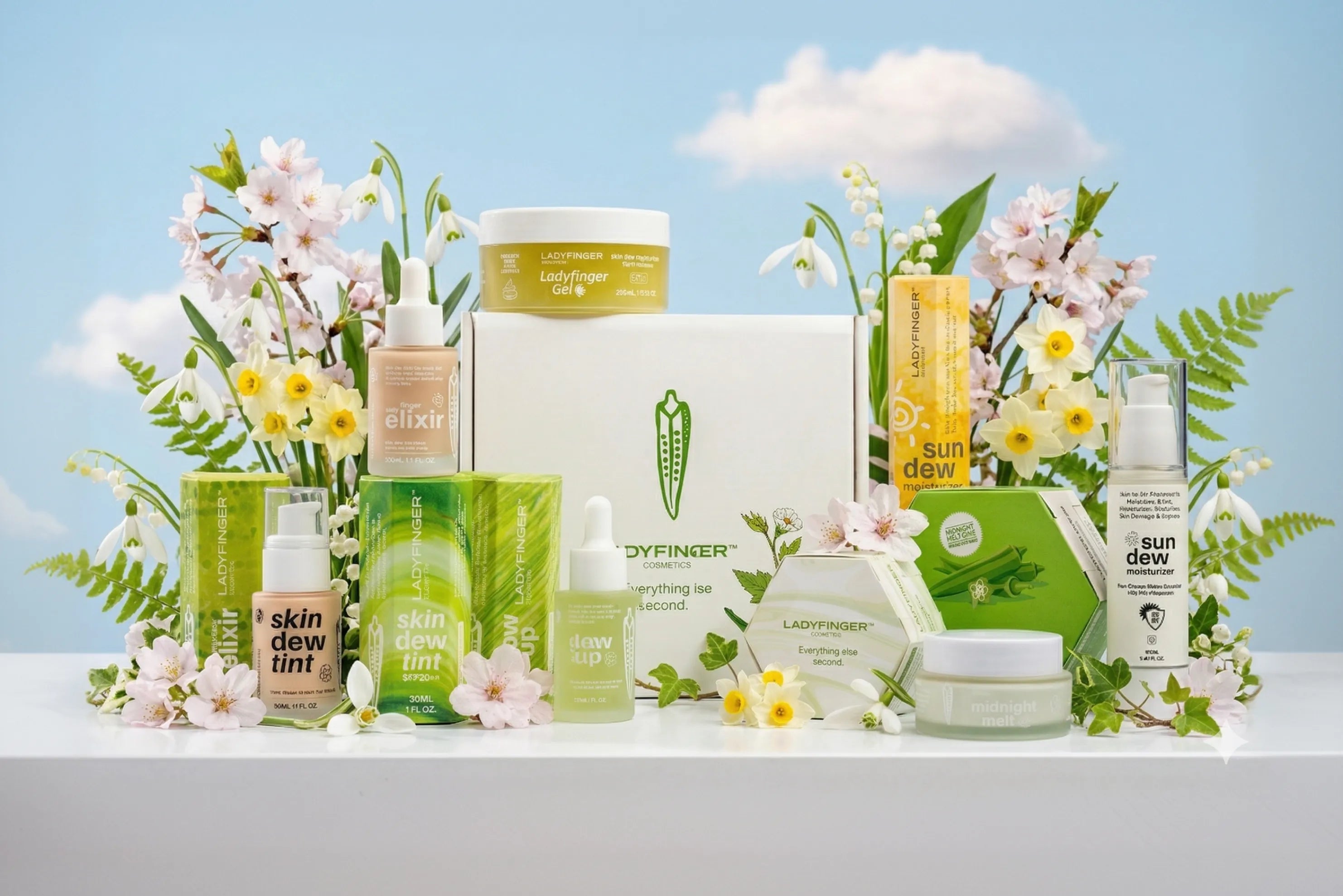
Hydrate with the right texture: A water-based hydrating gel like Ladyfinger Gel delivers the moisture your barrier needs without adding oils that congest damaged skin. It signals to the barrier that it’s safe to stop going into emergency sebum-production mode.
Protect from UV: Sun Dew SPF 50 every morning. Without this, UV damage will continue breaking down the barrier faster than any product can repair it.
Repair overnight: Midnight Melt supports overnight barrier repair with Alpha Arbutin and deep hydration ingredients, working with your skin’s natural nighttime repair cycle.
Give a stripped barrier 2–4 weeks of consistent gentle care before introducing any active ingredients. The barrier has to be functional before any brightening serum, anti-aging treatment, or exfoliant can deliver results.
The bottom line
Your skin barrier is not a luxury concern — it’s the foundation of every skin goal you have. And in Pakistan’s environment, it’s under more stress than almost anywhere else in the world. Protect it. Repair it. Everything else works better when you do.
Shop the fix: Ladyfinger Gel