"My skin got darker this summer" can mean two completely different things — and treating them the same way is why so many people waste months on products that don't work. A tan and pigmentation are not the same, even though both make brown skin look darker. Here is how to tell tan vs pigmentation on brown skin, and why it changes everything you do next.
The quick difference
A tan is your skin's even response to sun exposure — melanin produced as protection, spread evenly across the areas that caught the sun. It is temporary and fades on its own over weeks as the skin naturally renews.
Pigmentation is different: patchy, uneven dark spots or areas that stay put. Think post-acne marks, melasma, or the chhaiyan that lingers for months or years. Pigmentation does not just fade with time the way a tan does.
How to tell which one you have
- Is it even or patchy? Tan is uniform across sun-exposed areas — face, neck, arms, hands. Pigmentation is patchy: specific spots, marks, or blotches.
- Where is it? A tan sits where the sun hit (and stops at your sleeve line). Pigmentation appears where there was a breakout, hormonal change, or sun damage over years.
- Is it fading on its own? A tan fades over a few weeks once you're out of the sun. Pigmentation stays stubbornly the same without targeted care.
- How long has it been there? Weeks and fading = likely tan. Months or years = pigmentation.
Why it matters
Because the fix is different. If it's a tan, you mostly need patience and prevention — protect your skin and it evens out by itself. Hammering a simple tan with strong actives is unnecessary and can irritate your skin into actual pigmentation.
If it's pigmentation, time alone won't fix it. You need targeted, consistent care — and even then it's a slow process measured in months.
How a tan fades
Mostly on its own, helped along by:
- Daily sunscreen — so you stop adding new tan while the old one fades.
- Gentle exfoliation once or twice a week to support natural skin renewal.
- Patience — give it a few weeks of sun protection and it lifts.
How pigmentation fades
- Sunscreen, religiously. Sun is the number one thing that darkens pigmentation. Without daily SPF, nothing else works.
- Brightening ingredients like vitamin C and niacinamide, used consistently over weeks.
- Time and consistency. Real pigmentation takes two to three months minimum, and deeper or hormonal pigmentation like melasma needs professional guidance.
One rule covers both
Whether it's tan or pigmentation, sunscreen is the common thread. It prevents new tanning and stops pigmentation from getting worse. If you do only one thing for darker-looking summer skin, make it daily, properly-applied SPF.
The Ladyfinger take
This is about evening out and protecting your skin — never about changing your natural skin tone, which is beautiful as it is. Figure out whether you're dealing with a passing tan or stubborn pigmentation, then match your effort to the problem instead of guessing.
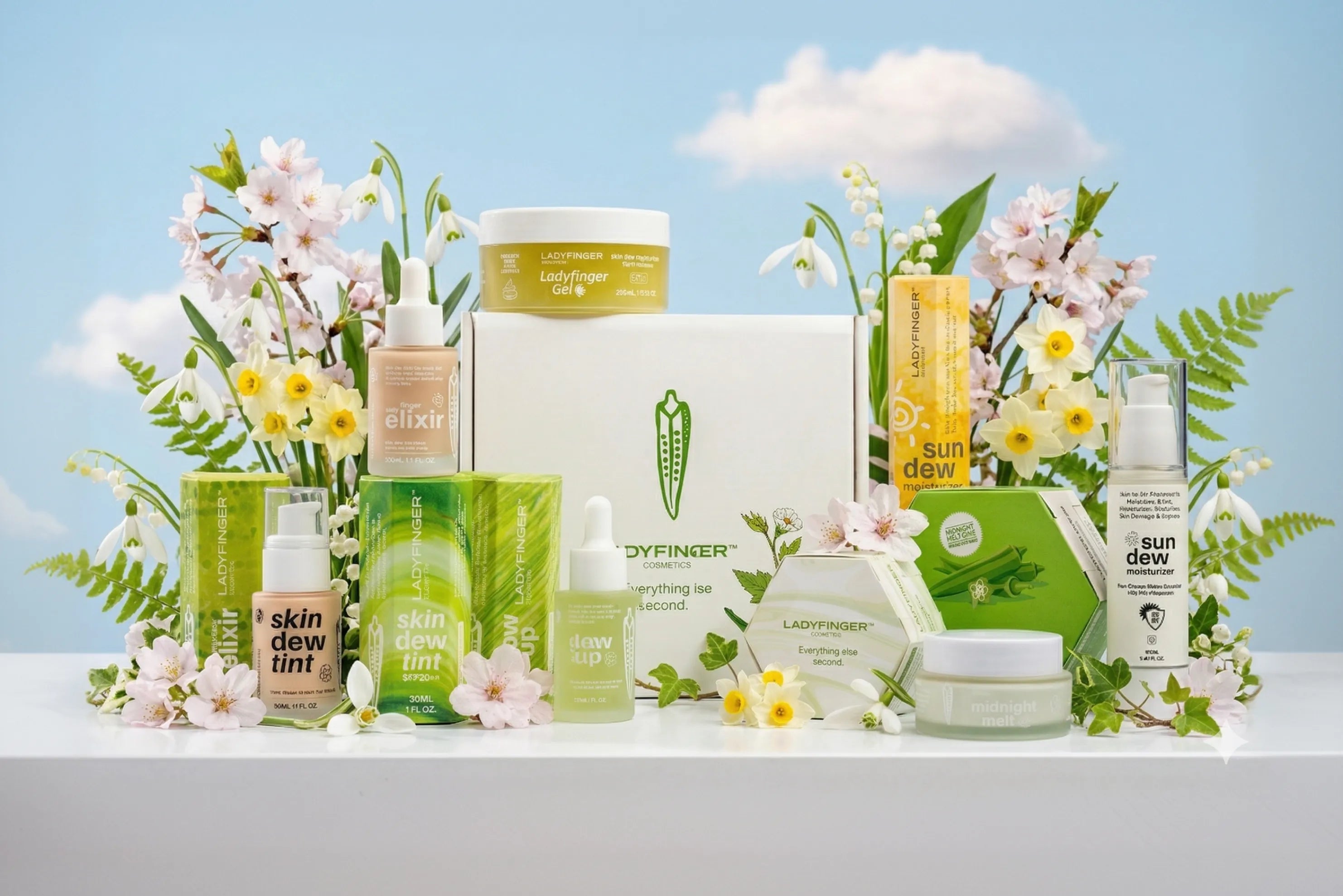
Start with the one step that fixes both. Explore Sun Dew SPF and our Vitamin C Serum at ladyfingercosmetics.com.
Shop the fix: Glow Up