Acne along your jaw, chin, and cheeks — exactly where your dupatta, mask, or scarf sits all day? That is not a coincidence. Covering your face in Pakistani heat creates the perfect storm for breakouts, whether it's a mask, a niqab, or a dupatta pulled up against the sun and dust. Here is why it happens and how to stop maskne and friction breakouts.
Why covering your face causes acne
Three things happen under any face covering in our climate:
- Heat and humidity build up. The fabric traps your warm breath and sweat against the skin, creating a damp, warm pocket where bacteria thrive.
- Friction irritates the skin. The fabric rubs as you move and talk. That constant rubbing inflames the skin and damages the surface, making it easier for pores to clog. Dermatologists call this acne mechanica.
- Trapped oil and sweat clog pores. Everything your skin produces has nowhere to go and gets pressed back in.
Put together, you get bumps and breakouts concentrated exactly where the fabric contacts your skin.
How to prevent it
- Choose soft, breathable cotton. Rough or synthetic fabric causes more friction and traps more heat. A smooth cotton dupatta or mask is gentler on the skin.
- Keep it clean. A reused, sweaty cloth carries oil and bacteria straight back to your face. Use a fresh or freshly washed covering, especially in summer.
- Don't wear heavy makeup underneath. Base and powder under a covering clog pores faster in the trapped heat. Keep the covered area as bare and clean as possible.
- Cleanse when you get home. Wash off the sweat-and-friction buildup as soon as you can rather than letting it sit for hours.
How to treat the breakouts
Keep the routine gentle — irritated, friction-damaged skin does not need harsh scrubs piled on top.
- Cleanse twice a day with a mild face wash to clear trapped oil and sweat.
- Use salicylic acid sparingly — one or two nights a week — to keep the clogged pores clear. Don't overdo it on already-irritated skin.
- Moisturise. A lightweight gel-cream repairs the barrier that friction has worn down. Skipping moisturiser makes friction acne worse.
- Do not pick. Friction breakouts on desi skin leave dark marks easily, and those marks outlast the acne by months.
What about the dark marks left behind?
This is the real frustration for most Pakistani women — the breakout heals but a brown mark stays. That is post-inflammatory hyperpigmentation, and South Asian skin is especially prone to it. Sunscreen is what stops those marks from getting darker, and ingredients like niacinamide and vitamin C help them fade over time. Prevention and protection beat treatment every time.
The Ladyfinger take
You should never have to choose between covering up — for the sun, for modesty, for health — and clear skin. Soft clean fabric, a gentle routine, and consistent sunscreen let you do both. Keep the covered skin clean, calm, and protected, and the breakouts settle.
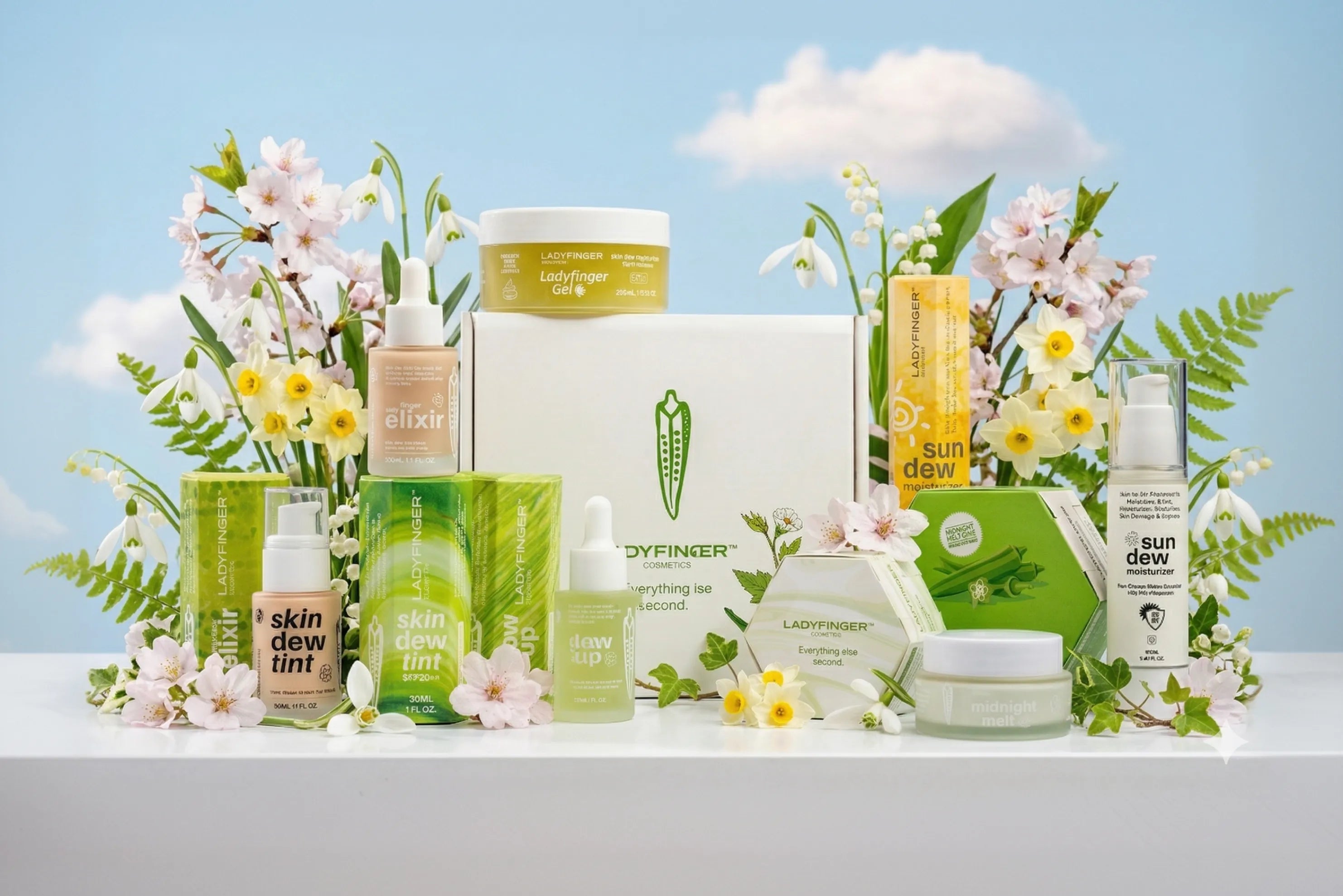
Protect against the dark marks before they set in. Explore Sun Dew SPF and our brightening range at ladyfingercosmetics.com.
Shop the fix: The Acne-Safe Glass Skin Duo