Pregnancy changes your skin — melasma, sensitivity, breakouts. It also means some regular skincare products might not be safe to keep using. This is general education, not medical advice — always check with your doctor for specific concerns.
Why This Matters for Pakistani Skin
Pregnancy hormones trigger melasma more aggressively in South Asian skin due to higher melanin activity. Add Pakistan's UV intensity, and pregnancy chhaiyan becomes a very common complaint.
The Science / What You Need to Know
Generally advised against during pregnancy: retinoids, high-dose salicylic acid treatments, hydroquinone, high-concentration essential oils.
Generally considered safe: Vitamin C (helpful for pregnancy dullness), niacinamide (gentle, calming), hyaluronic acid, and mineral SPF.
This is general guidance, not a diagnosis — always confirm with your doctor, especially with existing skin conditions.
How to Use It / What to Look For
- Gentle cleanser — nothing with high-strength acids or strong fragrance.
- Vitamin C Serum in the morning — helps manage pregnancy pigmentation.
- Niacinamide serum for redness and barrier support.
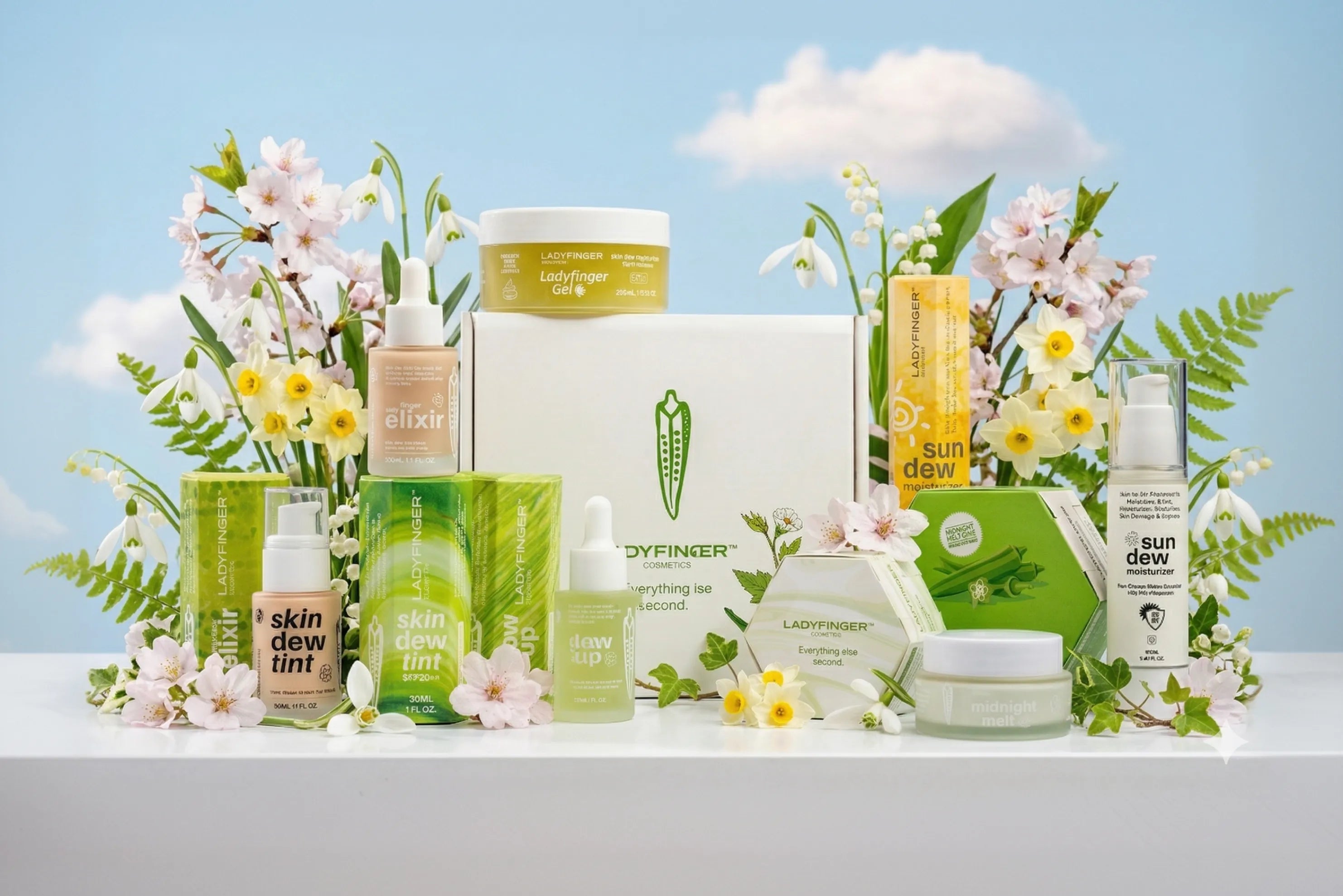
- A hydrating, fragrance-light moisturiser like Cheeky Dew Moisturiser.
- Mineral SPF every day — check the label for zinc oxide or titanium dioxide.
Common Myths / Mistakes
- "All Vitamin C is unsafe during pregnancy." It's one of the safer actives.
- "You need to stop skincare completely." You just swap a small handful of ingredients.
- "Natural totkas are automatically safer." Natural doesn't mean pregnancy-safe.
- "Chemical and mineral sunscreens are the same." Mineral SPF is generally preferred during pregnancy.
- "Melasma from pregnancy is permanent." It often fades postpartum with consistent SPF use.
The Ladyfinger Take
Vitamin C, niacinamide, and mineral SPF cover most pregnancy skin concerns — but this isn't a substitute for your doctor's specific advice.
Conclusion
Talk to your doctor before adding anything new. Try a simplified routine for 4 weeks and see the difference.