Face oils sound like the last thing anyone needs in humidity, so why is squalane oil all over skincare shelves right now? Squalane is a lightweight oil that's genuinely different from the heavy, pore-clogging oils desi skin has learned to avoid — but is it necessary or just hype?
Why This Matters for Pakistani Skin
Most people in Pakistan are taught to avoid oils on the face. That instinct isn't wrong for thick, comedogenic oils, but squalane is a different category entirely.
The Science / What You Need to Know
Squalane is derived from squalene, a compound your skin already produces naturally. Cosmetic squalane is lightweight, fast-absorbing, and non-comedogenic for most skin types.
Squalane isn't magic, and it's not strictly necessary if your moisturizer is already doing its job well. It's a nice-to-have, not a universal fix.
How to Use It / What to Look For
- Use it as a final step, not a replacement for your moisturizer.
- A few drops go a long way — over-applying can feel greasy.
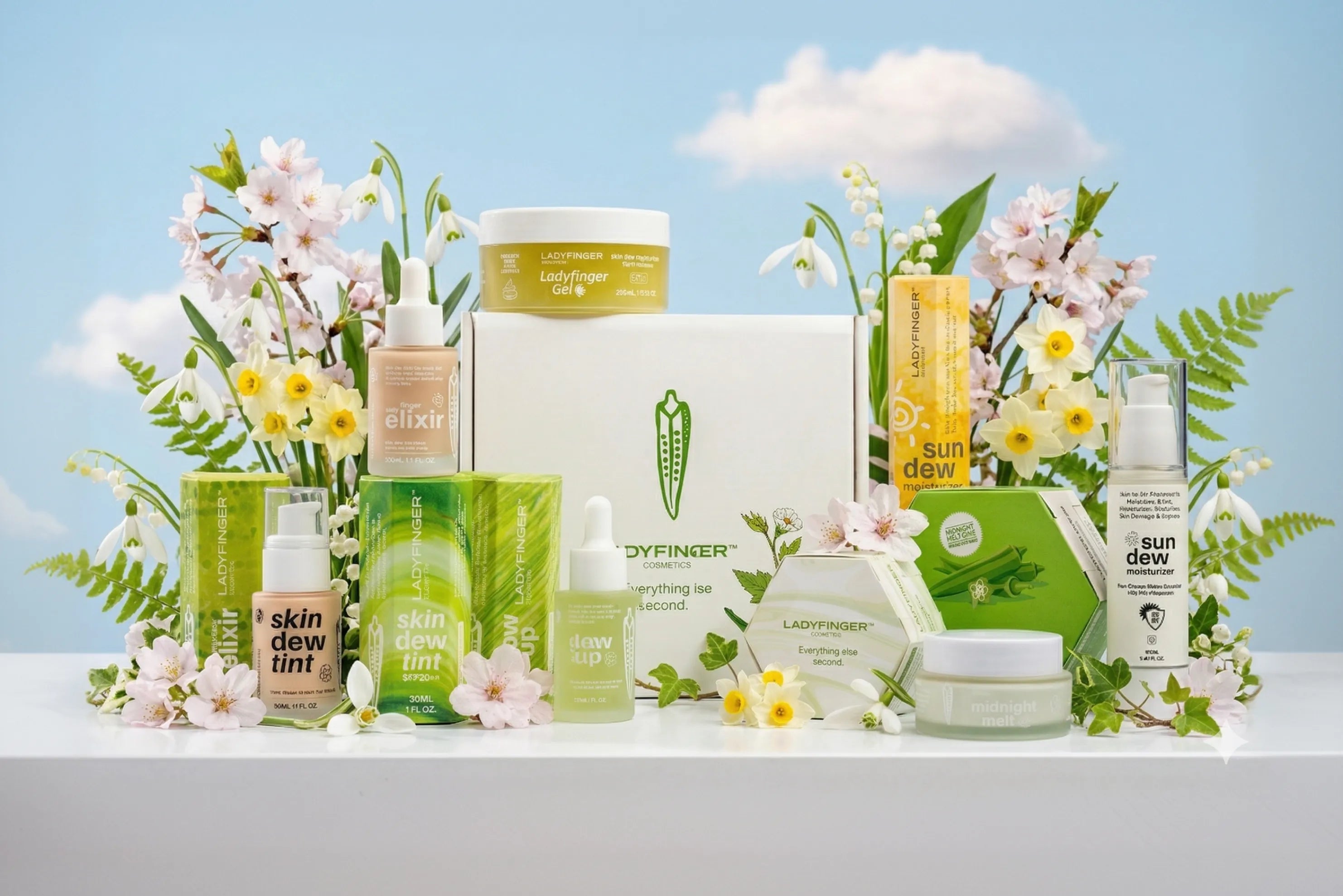
- Mix it into Cheeky Dew Moisturiser on particularly dry days.
- Don't skip SPF thinking oil is protection — Sun Dew SPF still needs to go on separately.
- Pair it with actives like Vitamin C Serum to help buffer irritation.
Common Myths / Mistakes
- "All face oils clog pores in humid weather." Squalane is specifically non-comedogenic for most skin types.
- "Oily skin should never use squalane." It can help balance oil production for some.
- "Squalane replaces moisturizer." It seals in hydration; it doesn't replace it.
- "More expensive squalane works better." Price often reflects branding more than performance.
- "You need it to get results." If your skin is already balanced, it's optional.
The Ladyfinger Take
Get your basics right first — Cheeky Dew, Sun Dew SPF, Vitamin C Serum — then add squalane on top if your skin is asking for it.
Conclusion
Try it for 4 weeks and see the difference.