No water for 14-16 hours straight, desert heat outside, and your skin is still expected to glow? You can fast and still keep your skin barrier intact — it just needs a slightly different routine.
Why This Matters for Pakistani Skin
Ramadan in Pakistan often falls in hot, humid, or peak-summer months. You're losing water through sweat all day with no intake from suhoor to iftar.
Dehydrated skin and dry skin are not the same thing, and Ramadan is when that difference becomes obvious.
The Science — What's Actually Happening to Your Skin
Your skin barrier needs baseline hydration to function. When water intake drops for extended hours, the barrier becomes less effective at holding moisture in.
It's not that your skin is "detoxing" — it's under-hydrated and more reactive than usual.
How to Adjust Your Routine
- Suhoor hydration matters more than iftar hydration. Add water-rich foods — cucumber, watermelon, yogurt.
- Swap harsh cleansers for gentle ones. Avoid sulfate foaming cleansers.
- Layer hydration — a hydrating serum under your moisturiser locks in more water.
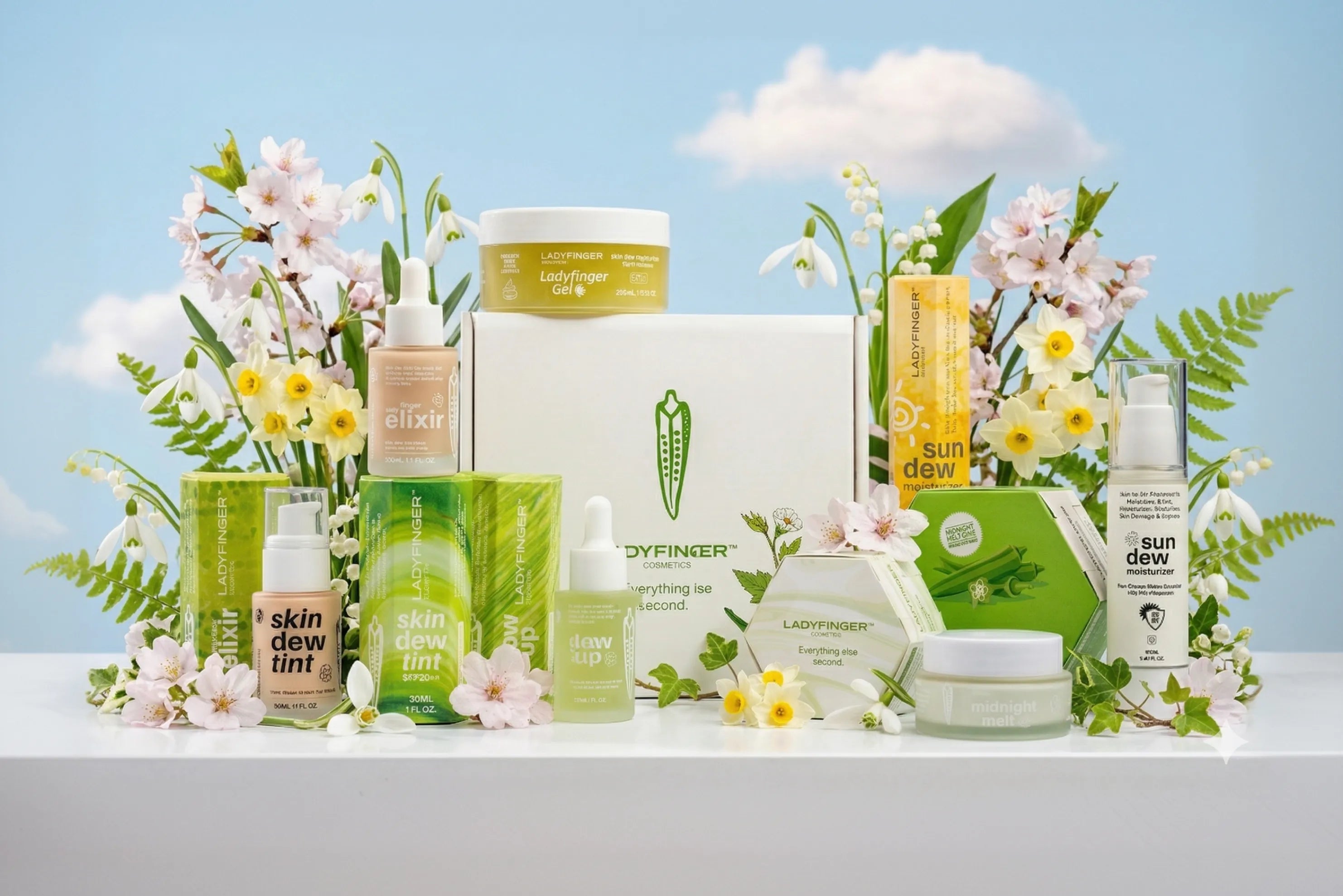
- Don't skip SPF — Sun Dew SPF is light enough not to feel heavy during the day.
- Night routine becomes your main repair window — Cheeky Dew Moisturiser helps repair the barrier overnight.
Common Myths and Mistakes
- Myth: Fasting "detoxes" your skin. Fasting affects digestion, not toxin load.
- Myth: Heavier products compensate for lost water. Lighter layered hydration works better.
- Mistake: Chugging water at iftar and stopping. Spread it out over the eating window.
- Mistake: Skipping skincare because you're tired. Consistency matters most.
- Myth: Oily skin doesn't need extra hydration. Under-hydration triggers more oil production.
The Ladyfinger Take
Gentle cleansing, layered hydration, and consistent SPF cover most of what your skin needs this month.
Conclusion
Try adjusting your suhoor hydration and night routine for two weeks and see how your skin responds.