The pimple is gone but the dark mark stays for months. This is post-inflammatory hyperpigmentation (PIH) — and it's more common and more persistent on Pakistani skin than on lighter skin tones. Understanding why helps you treat it correctly and avoid the mistakes that make it worse.
Why Post-Acne Marks Are Worse on Pakistani Skin
When skin experiences inflammation — from a pimple, a rash, even picking at the skin — it triggers melanin production as a protective response. Pakistani skin, with its higher baseline melanin, produces more of this response melanin than lighter skin types. The result is darker, more persistent marks that take longer to fade without treatment.
Pakistan's high UV exposure compounds this: UV light stimulates the exact melanin cells that are already overactive after acne. Without daily SPF, every day of sun exposure deepens existing marks and makes them significantly harder to treat.
The Difference Between PIH and Acne Scars
Post-acne marks (PIH) are flat discolouration — darker patches where a pimple used to be. They sit in the upper layers of skin and can be faded with topical ingredients. Acne scars are textural — pitted indentations or raised keloid tissue caused by deeper skin damage. Topical products fade PIH effectively but cannot fill pitted scars, which require professional treatments like microneedling or laser.
Most of what Pakistani women call acne scars are actually PIH — flat dark marks — which is good news because they respond well to the right skincare routine.
The Three-Step PIH Treatment Routine
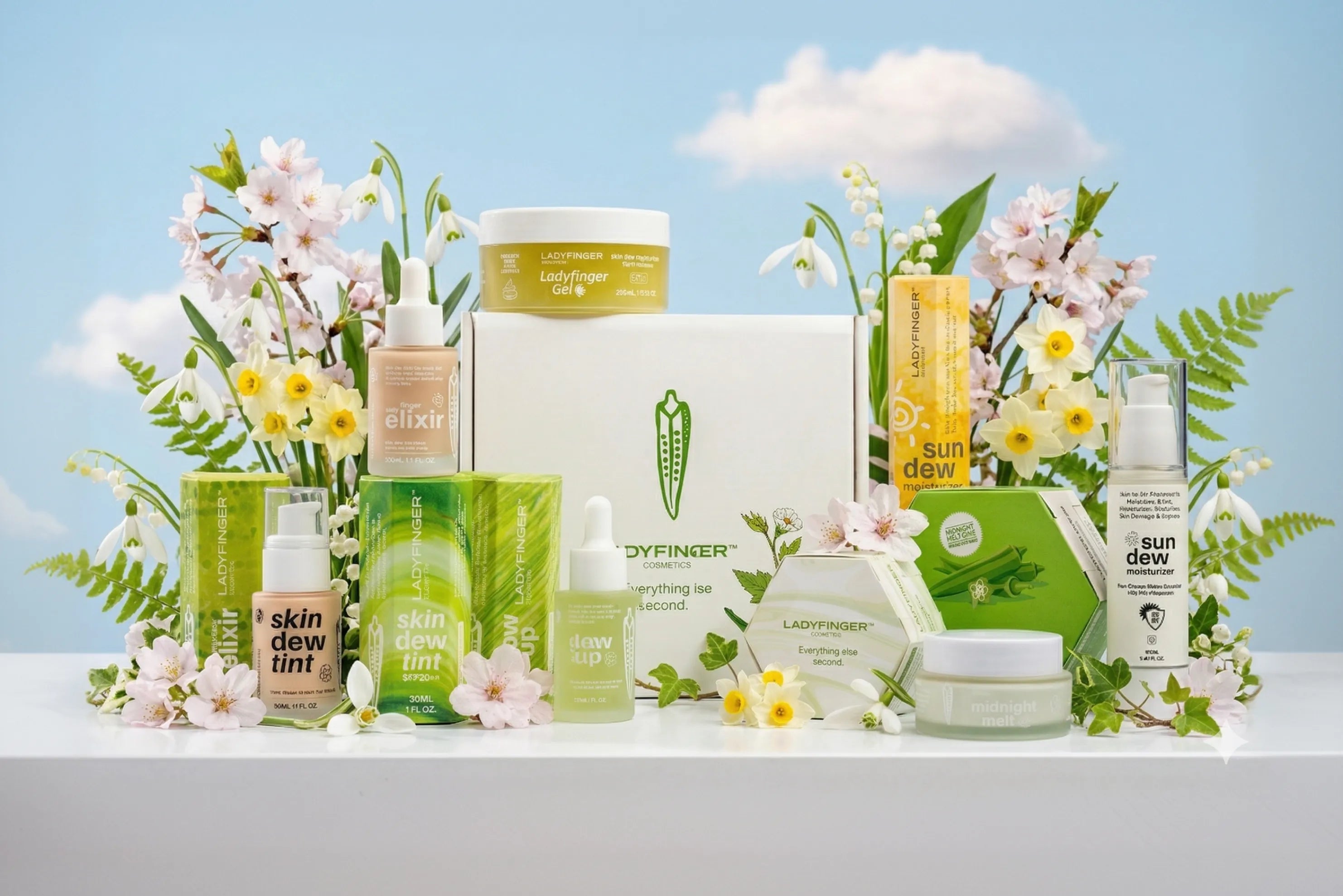
Step one: Vitamin C every morning. Glow Up Brightening Serum contains high-potency Vitamin C that inhibits tyrosinase — blocking new melanin production while simultaneously fading existing marks. It also contains Niacinamide, which blocks the transfer of melanin to surface skin cells, accelerating the visible fading effect. Apply 3 to 4 drops to clean skin every morning.
Step two: SPF immediately after. This cannot be overstated for PIH treatment. Sun Dew Moisturizer SPF 50 every morning, without exception. UV exposure on skin with active PIH deepens the marks significantly — potentially adding months to your treatment timeline. SPF is not optional when treating post-acne marks in Pakistan.
Step three: Alpha Arbutin overnight. Midnight Melt Night Cream contains Alpha Arbutin — a safe, stable brightening ingredient that targets a different stage of melanin production than Vitamin C, giving you dual-pathway treatment. Applied at night, it works during the skin's natural repair cycle for faster fading. It also contains barrier ceramides — crucial because a compromised barrier slows PIH healing.
What to Avoid When Treating PIH
Picking or squeezing active pimples — this deepens skin damage and guarantees more severe PIH. Harsh physical scrubs on marks — abrasion causes inflammation which stimulates more melanin. Mercury-based fairness creams — commonly available in Pakistan and extremely harmful, they cause rebound darkening worse than the original marks. Steroid creams for brightening — they cause PIH to worsen after initial lightening.
Realistic Timeline
Superficial PIH (light marks from small pimples) typically fades in 4 to 8 weeks with consistent treatment. Deeper PIH from cystic acne or repeated picking can take 3 to 6 months. Both timelines assume daily SPF — without it, add at least 50% to any estimate.
Start with Glow Up Brightening Serum in the morning and Midnight Melt Night Cream at night. Add Sun Dew SPF 50 every morning without fail. This three-product combination is the most effective topical approach available for post-acne marks on Pakistani skin.
Shop the fix: The Acne-Safe Glass Skin Duo