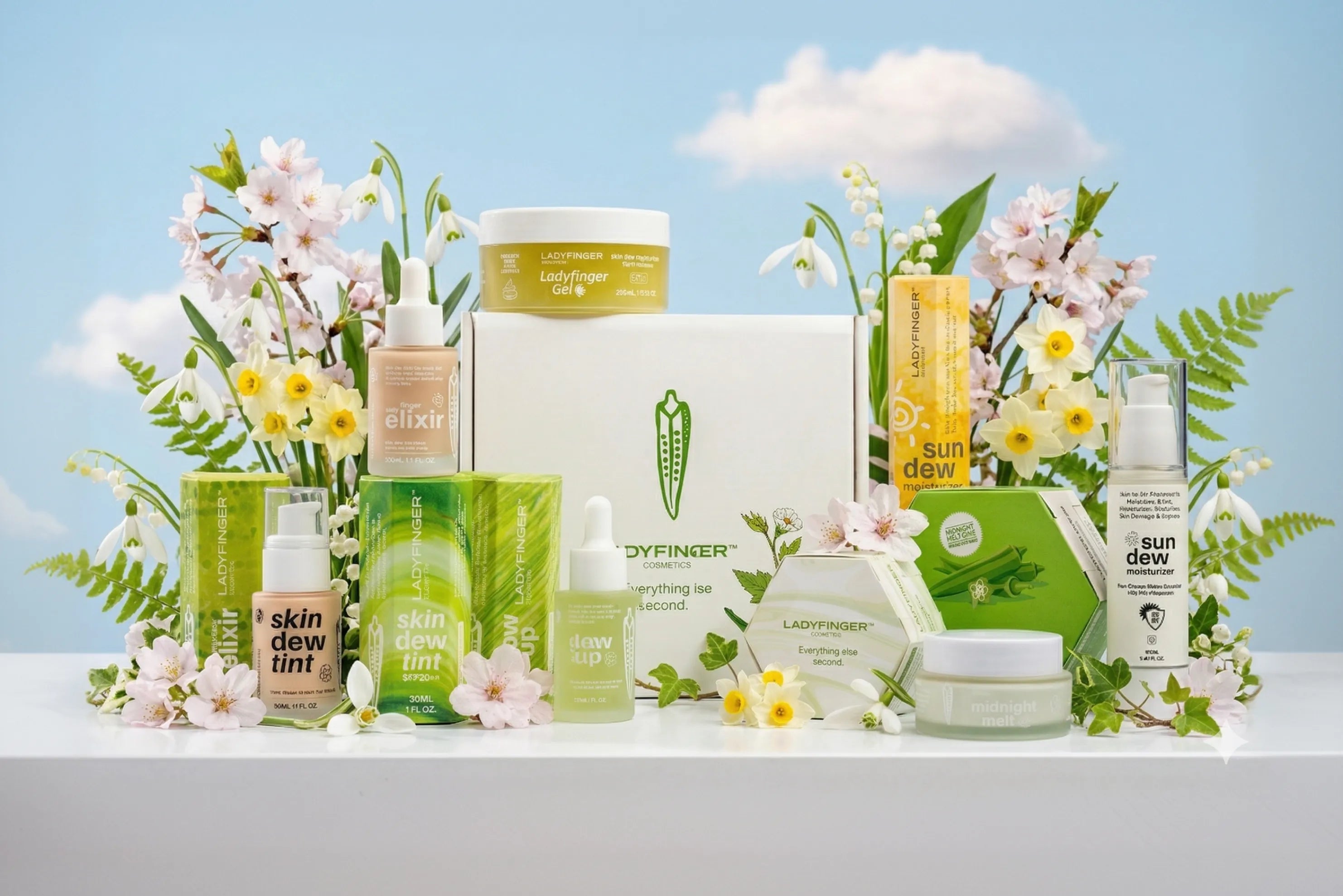
While everyone's talking about retinol and Vitamin C, azelaic acid quietly calms redness and fades dark spots at the same time, without the irritation drama. For desi skin that runs sensitive or prone to post-acne marks, this ingredient deserves way more attention.
Why This Matters for Pakistani Skin
South Asian skin has more melanin, which means it's especially prone to post-inflammatory hyperpigmentation. A small breakout can leave a mark that lingers for months.
Azelaic acid treats the actual issue — inflammation and excess pigment production — instead of just masking it.
The Science: What You Need to Know
Azelaic acid is a naturally occurring acid found in grains like wheat, rye, and barley. It slows overproduction of melanin, calms redness, and has mild antibacterial action.
It targets excess, uneven pigment rather than pigment itself, which is why it's considered safe for everyday use.
How to Use It: What to Look For
- Start with a lower concentration a few times a week, then build to daily use.
- Apply after cleansing, before moisturiser — pairs well with Vitamin C.
- Use Vitamin C Serum in the morning and azelaic acid at night.
- Follow up with Cheeky Dew Moisturiser to lock in hydration.
- Expect mild tingling on first use — persistent burning means dial back.
Common Myths and Mistakes
- Myth: Azelaic acid is only for acne. Also valued for pigmentation and redness.
- Myth: It works instantly. Needs consistent use over weeks.
- Myth: You can't use it with other actives. Pairs well with Vitamin C and niacinamide.
- Myth: It's a harsh acid. Much gentler than glycolic or salicylic acid.
- Myth: Natural remedies work just as well. Turmeric pastes lack the same studied effect.
The Ladyfinger Take
Pairing Vitamin C Serum in the morning and azelaic acid at night works on tone evenness from two angles without overwhelming your skin.
Conclusion
Azelaic acid addresses redness and dark spots at the root. Try it for 4 weeks and see the difference.
Shop the fix: Glow Up