Understanding Hyperpigmentation on South Asian Skin
Hyperpigmentation is one of the most searched skincare concerns in Pakistan — and for good reason. It affects a disproportionately high number of people with medium to deep skin tones, including South Asian skin. But despite how common it is, there's a lot of confusion about what causes it, what makes it worse, and what actually works.
What Is Hyperpigmentation?
Hyperpigmentation is a broad term for any darkening of the skin caused by excess melanin production. Melanin is the pigment that gives skin its colour — when skin is injured, inflamed, or exposed to UV light, melanin-producing cells (melanocytes) go into overdrive, leaving behind dark patches even after the trigger is gone.
There are three main types relevant to Pakistani skin:
- Post-inflammatory hyperpigmentation (PIH): Dark marks left after acne, cuts, or rashes heal. Extremely common in darker skin tones.
- Sun damage: Patches that develop from years of unprotected UV exposure — common on cheeks, nose, and forehead.
- Melasma: Larger patches of pigmentation triggered by hormonal changes (pregnancy, contraceptive pills) and worsened by sun. Symmetrical and stubborn.
Why South Asian Skin Is More Prone to Dark Spots
Melanocytes in darker skin tones are more active and reactive than in lighter skin. This means any skin trigger — a pimple, a scratch, even a rash — is more likely to leave a dark mark that persists for months. This is not a flaw; it's biology. But it does mean the treatment approach must be gentler and more consistent than for lighter skin types.
What Actually Works for Fading Dark Spots
1. SPF — Every Day, No Exceptions
UV exposure is the number one factor that makes hyperpigmentation worse and prevents it from fading. Without SPF, no brightening product will work as well as it should. Use SPF 30–50 every morning, even on cloudy days and indoors near windows.
2. Niacinamide
Niacinamide (Vitamin B3) inhibits the transfer of melanin to the skin's surface, gradually evening out tone without irritating the skin. It's one of the most well-tolerated active ingredients for South Asian skin and works well at 4–10% concentrations.
3. Vitamin C
A stable Vitamin C serum used in the morning brightens existing pigmentation and protects against new UV-triggered melanin production. Look for L-ascorbic acid or ascorbyl glucoside at 10–20%.
4. Azelaic Acid
Particularly effective for PIH and melasma. Gentle enough for daily use and safe during pregnancy (unlike many other brightening actives).
What to Avoid
Avoid aggressive exfoliation, harsh scrubs, and any products that cause irritation — inflammation triggers more melanin production, making dark spots worse. Also avoid any products that claim instant results; genuine pigmentation takes 8–16 weeks of consistent treatment to visibly fade.
The Ladyfinger Approach
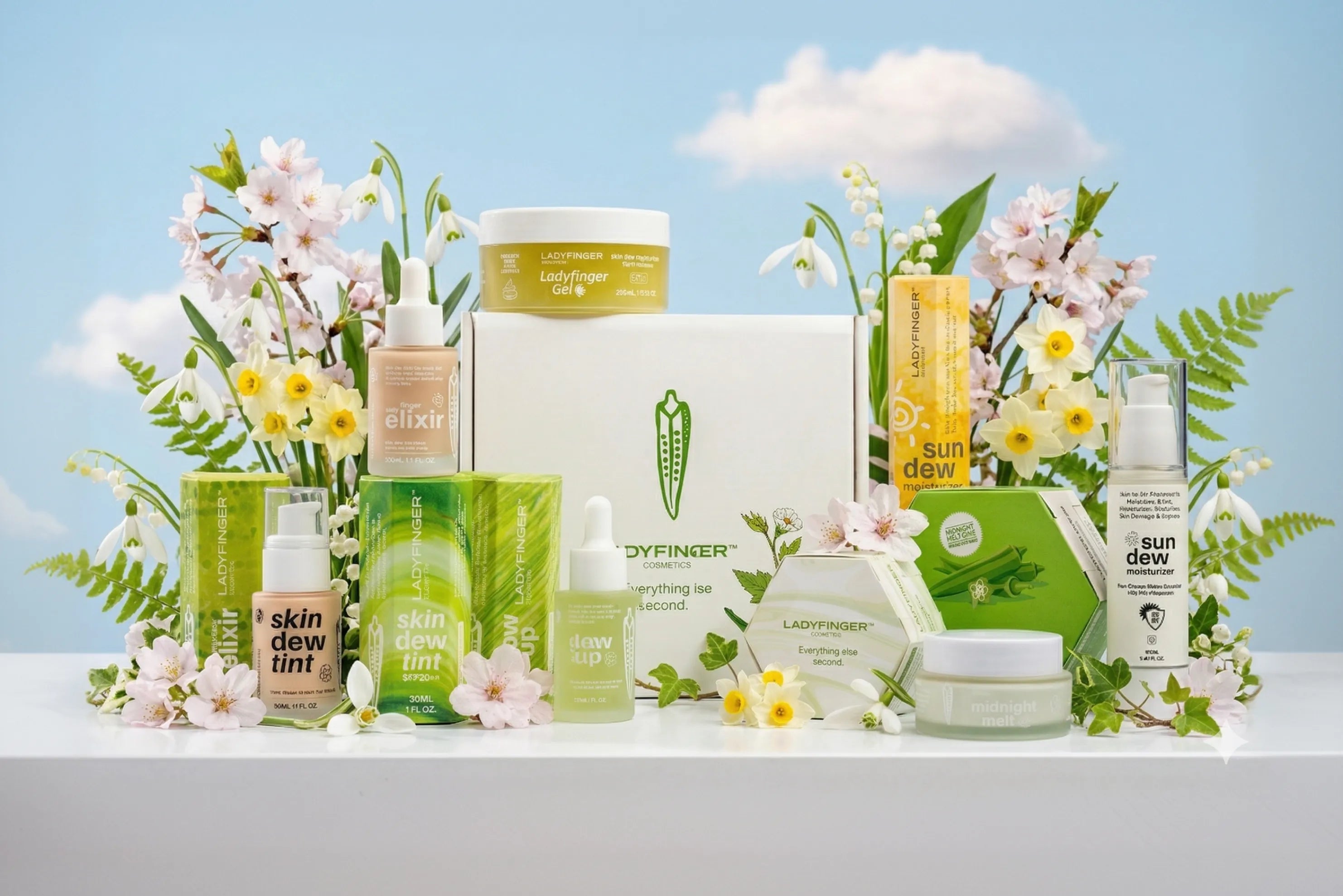
At Ladyfinger, every formula is designed for the realities of Pakistani skin — our brightening range targets hyperpigmentation gently and effectively, without the harsh actives that cause rebound pigmentation. Browse our full brightening range and start treating dark spots the right way.
Shop the fix: Glow Up