Walk into any pharmacy or beauty store in Pakistan and you'll find a wall of products promising to brighten, lighten, or "whiten" skin in 7 days. These products are multi-million rupee bestsellers. Many of them are also dangerous, and some are flat-out illegal.
This post isn't comfortable reading. But it's information every Pakistani woman deserves to have before she puts something on her face.
What's Actually in Most "Fairness" Creams
Mercury
Mercury is banned in cosmetics by the World Health Organization and is illegal in Pakistan under DRAP regulations. It is still found in a significant percentage of locally-manufactured and imported "fairness" creams.
How to spot it: Mercury compounds appear on ingredient lists as mercurous chloride, calomel, mercuric, or mercurio — when they're listed at all. Many unregistered products carry no ingredient list whatsoever.
What it does: Short-term, it suppresses melanin aggressively and skin appears lighter. This is why these products are so popular — they work fast. But mercury accumulates in body tissue. It causes kidney damage, neurological issues, and eventually severe rebound hyperpigmentation that is far harder to treat than the original dark spots. It's also absorbed through skin and excreted in breast milk. These aren't theoretical risks — they're documented medical outcomes in Pakistan.
High-Dose Topical Steroids
Betamethasone, clobetasol, and other potent corticosteroids are prescription-only for a reason. They suppress inflammation, which causes skin to temporarily appear lighter. But the consequences of unsupervised long-term use are severe:
- Skin thinning — the epidermis thins to the point where blood vessels become visible
- Perioral dermatitis — a rash around the mouth and nose that is notoriously difficult to treat
- Steroid rebound — when you stop using the cream, pigmentation returns darker than it was before
Many women get trapped in a cycle: the skin gets worse when they stop, so they keep using it. This is physical steroid dependency, and breaking it requires medical help.
Undisclosed High-Concentration Hydroquinone
Hydroquinone at 2% is FDA-approved in the US for short-term use. Above that threshold, it requires prescription and medical supervision. Pakistani market products are routinely found to contain 4–6% hydroquinone without disclosure or supervision. Long-term use causes ochronosis — a paradoxical blue-black permanent darkening of treated skin. It cannot be reversed.
How to Identify a Problematic Product
Red flags that should make you stop and reconsider:
- "Results in 7 days" or faster — no safe, legal ingredient works on melanin this quickly
- No full ingredient list printed on the packaging
- No DRAP registration number
- Marketed as "skin whitening" with dramatic before/after claims
- Sold loose or without proper brand packaging
- Very low price relative to the claimed efficacy
What Actually Works — Safely
Real brightening takes longer. 6–12 weeks minimum. But the results are permanent, the process is safe, and there's no rebound penalty when you stop. These are the ingredients with the strongest evidence base:
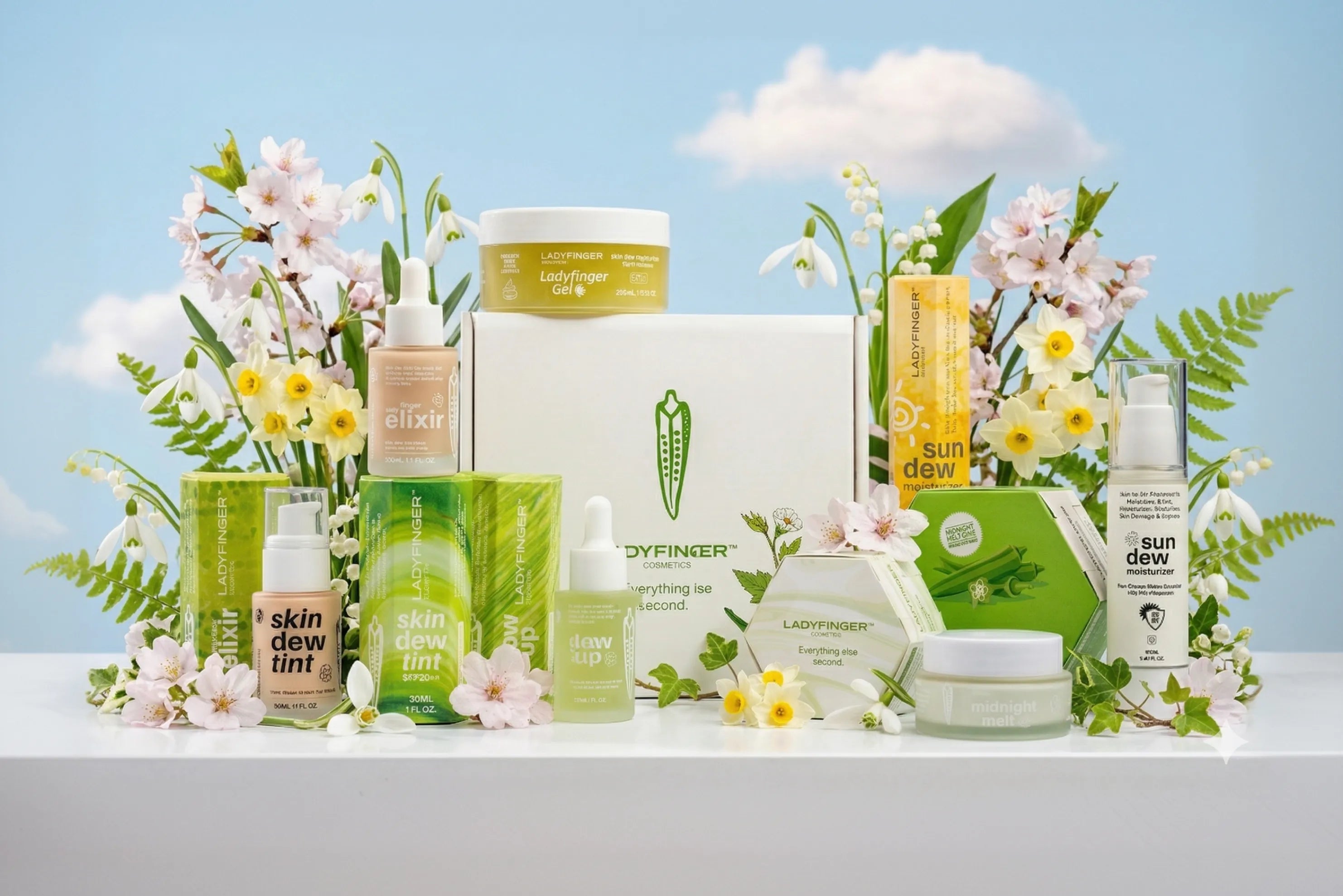
- Vitamin C (10–20%) — inhibits tyrosinase, the enzyme that triggers melanin production. Fades existing spots, prevents new ones. Glow Up Brightening Serum uses 15% Vitamin C stabilized with ferulic acid.
- Niacinamide (5–10%) — interrupts melanin transfer to skin surface. Works synergistically with Vitamin C for compounded results.
- Alpha Arbutin — the safe, stable alternative to hydroquinone. Same tyrosinase-inhibiting mechanism, without the ochronosis risk. Found in Midnight Melt Night Cream alongside Glutathione.
- Glutathione — the body's master antioxidant. Topically, it reduces melanin synthesis by shifting it toward lighter pigment types. Effective when properly formulated.
- SPF 50 daily — makes every other brightening ingredient 2x more effective by blocking the UV that triggers new pigmentation. Sun Dew SPF 50 is the step that makes everything else actually work.
The Honest Truth About Skin Tone
Here's something no fairness cream will tell you: your baseline melanin level — your natural skin tone — cannot be permanently changed by topical products. What can change, significantly, is the uneven distribution of melanin. Chhaiyan, dark spots, post-acne marks, sun damage patches — these are not your natural skin tone. They're pigmentation problems, and they respond to treatment.
The goal isn't to be lighter. The goal is to be even. And even, healthy, glowing skin — your actual natural skin at its best — is worth a lot more than the skin in those "7 day" before/after photos.
Ladyfinger Cosmetics doesn't use the word "whitening." We never have — not because it's a trend, but because it's not what we're trying to do. We're in the business of helping Pakistani skin look like its actual, healthiest self.
→ Explore the full range at ladyfingercosmetics.com
Also read: Melasma and Chhaiyan in Pakistan — What Actually Fades It | Best Brightening Serum for Hyperpigmentation in Pakistan
Shop the fix: Midnight Melt